

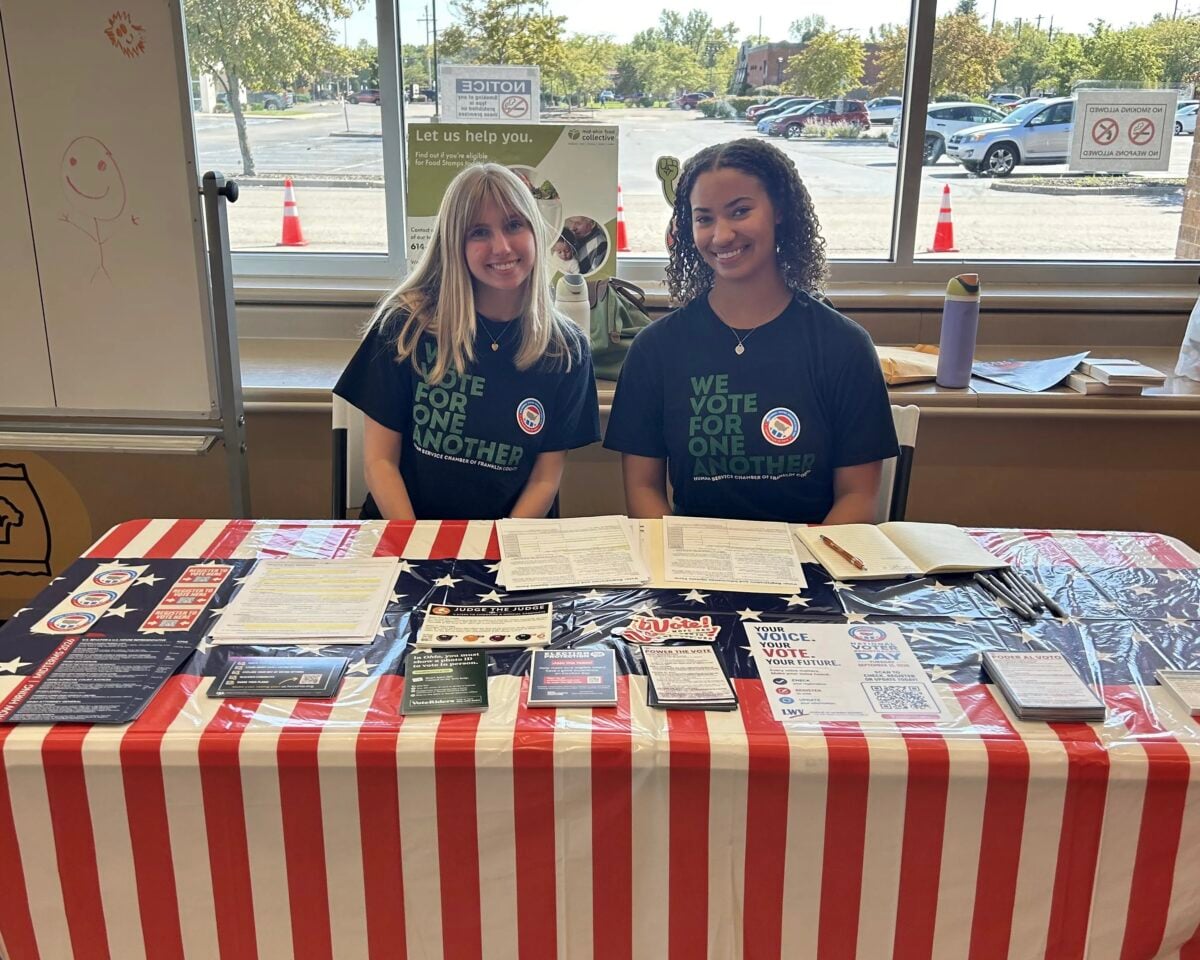
The midterm election is quickly approaching, with the first day of early voting on October 6 and Election Day on November 3. During the coming weeks, nonprofit organizations have the opportunity to participate in voter engagement initiatives to help our residents feel confident and prepared when they enter the ballot box.
Nonprofits have a unique role to play in voter engagement, and there are a number of reasons to get involved:
- It is legal and safe. While there is a legal framework that requires nonpartisanship, this is not a barrier for nonprofits – just a lane to stay within.
- It is often aligned with your organization’s mission. Many health and human service organizations are already supporting communities that are historically underrepresented in elections. You have the opportunity to educate and empower them to use their voice.
- Your organization already has a level of trust in the community. Nonprofits are some of the most trusted institutions in the country. Even small actions, like adding voter registration materials in existing programming, make a difference.
Getting Involved
Supporting free and fair elections does not have to be complicated. Nonprofit VOTE provides 24 creative and impactful ways to engage voters in this guide. Some that stand out include:
- Adding election dates and reminders to newsletters or social media posts
- Educating residents about voting at your events
- Creating a Linktree with resources (or use the HSC Votes Linktree!)
- Encouraging your employees to help register voters or to work the polls
- Providing nonpartisan resources to explain what is on the ballot
Key Dates for the 2026 Midterm Election
- October 5: Deadline to register to vote
- October 6: Early and absentee voting begin
- October 27: Absentee ballot application deadline
- November 3: Election Day and deadline to submit absentee ballots
Partisan vs Nonpartisan Activity
As a nonprofit organization, it is crucial that you remain nonpartisan in all voter engagement and election activities. Partisanship refers to loyalty to a political party or group. While being nonpartisan is important for maintaining tax-exempt status, it also protects the trust of the community members the organization serves.
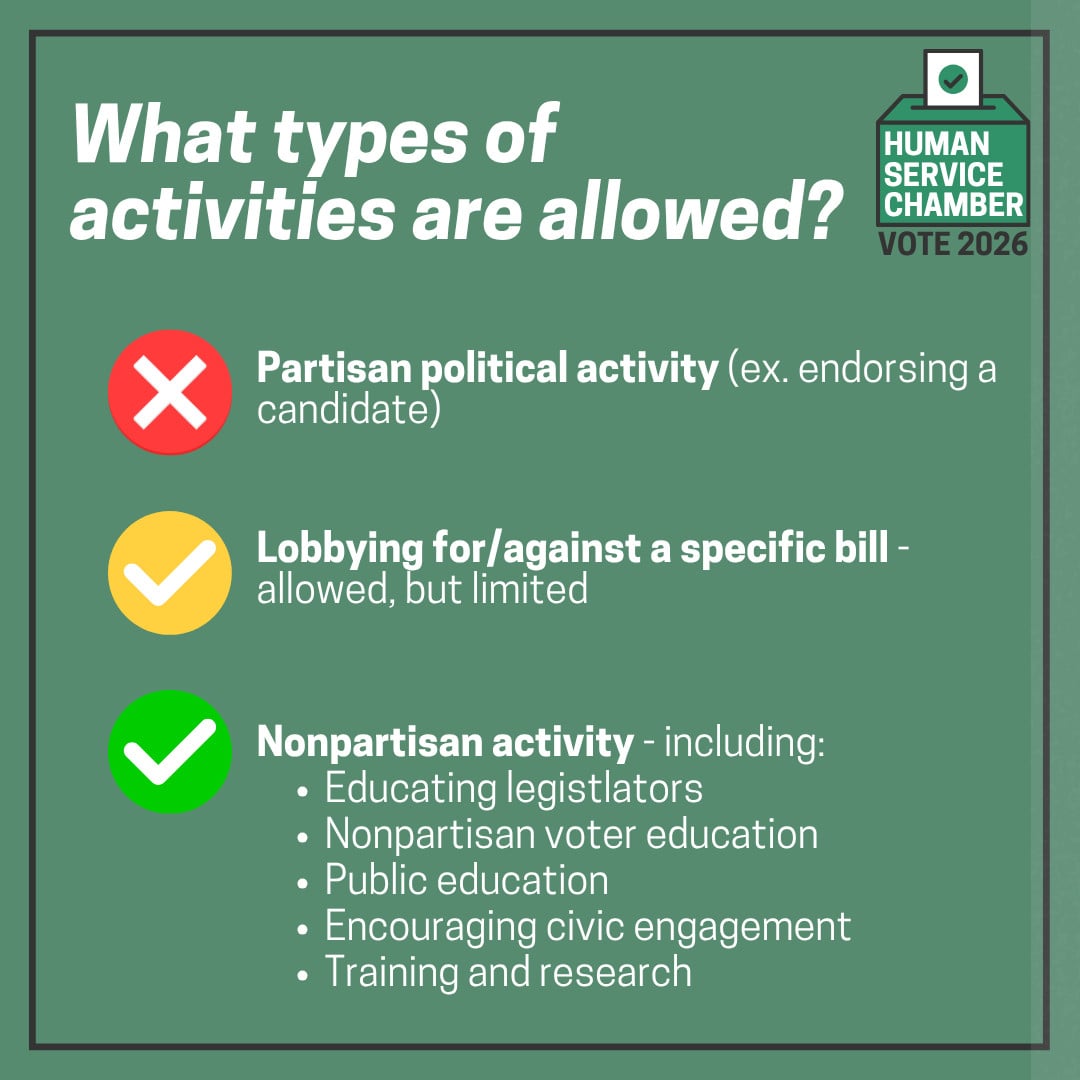
The distinction between partisan and nonpartisan activity tends to vary based on the context of the situation. However, there are ways to consistently remain nonpartisan. These include refraining from referencing or endorsing candidates, only informing the public about your core issues, and staying consistent with issues you have historically advocated on. This slideshow from Alliance for Justice provides further information on the differences between partisan and nonpartisan activity.
Mail-in and Absentee Ballots
In the past few months, there has been a lot of noise regarding the restrictions and changes to mail-in and absentee ballots. The situation has many voters confused and worried about whether it is safe to vote this way. As of the September 14 Supreme Court Ruling, the proposed regulations will not impact the 2026 midterm election. In Ohio, mail-in and absentee ballot collection will continue to use the process already in place.
The full story can be found here, but highlights are provided below.
- March 31, 2026: President Trump issued Executive Order 14399 (EO 14399), which called for regulations to establish uniform standards for mail-in or absentee ballots for federal elections.
- April 2: A group of states sued the federal government in the District of Massachusetts, citing that the Executive Order infringed on their constitutional authority to administer elections.
- July 27: The federal government requested that the Supreme Court review the suit. The Supreme Court held that the states lacked standing, but did not review the legality of the order itself.
- September 14: The Supreme Court blocked President Trump’s restrictions on mail-in ballots for the midterm elections, meaning that states can continue to use the processes they already have in place.
For more resources on how to support voter engagement, visit our HSC Votes Linktree. For more information on the midterm elections, visit the Franklin County Board of Elections website.