


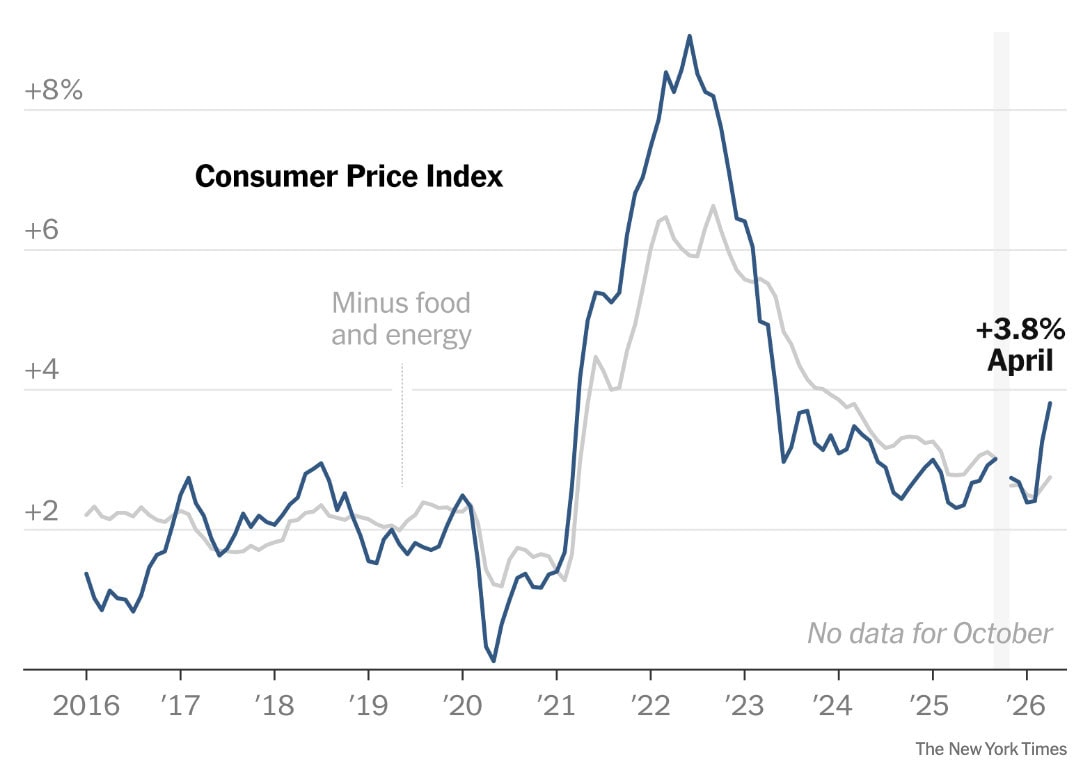
For the second time this decade, inflation has been increasing at a significant rate, creating immediate ripple effects for the nonprofit sector: Prices are rising in the U.S. at the fastest rate since May 2023. This latest spike has been triggered by the United States’ war with Iran, which began at the end of February.
The data is clearer and clearer about this correlation, as reported earlier this month:
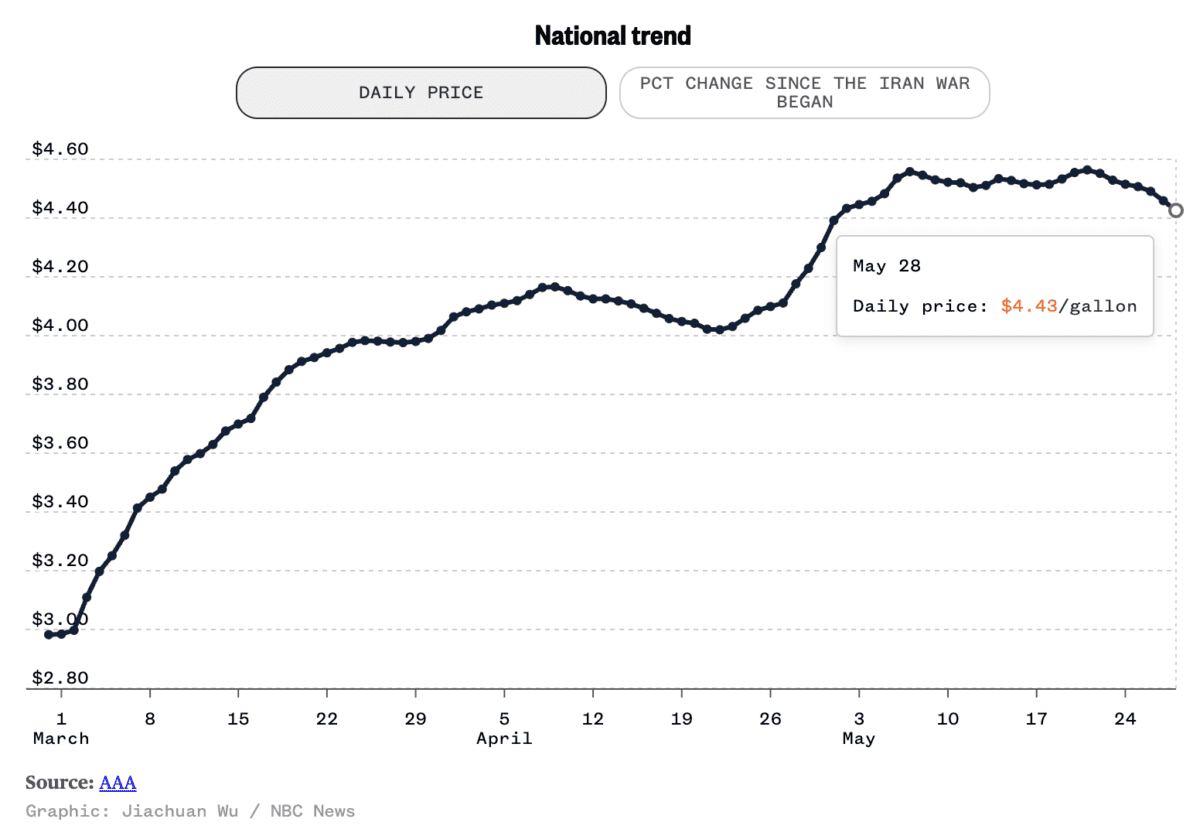
The most noticeable effect so far has been on gas prices, of course, with the national average at $4.43 per gallon today, up $1.28 from this time last year.
Additionally, the consumer price index rose 3.8% in April from a year earlier, up from a 2.4% annual increase before the conflict started, up from a 3.3% increase in March.
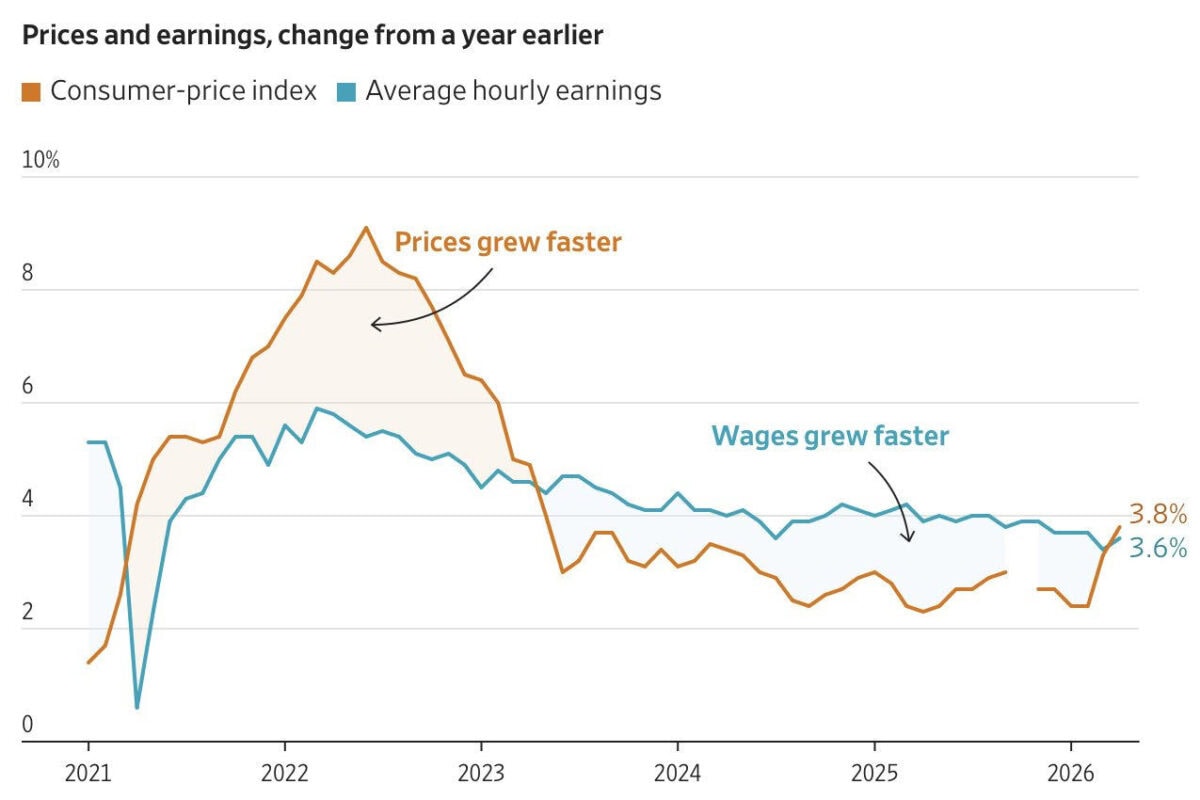
The inflationary spike has resulted in a challenging circumstance for Americans: For the first time in three years, inflation is outpacing wage growth.
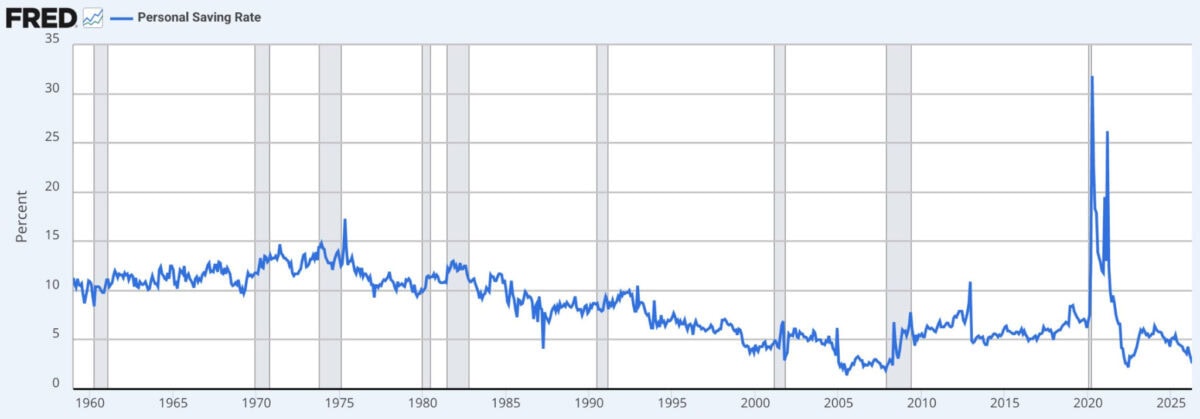
Concurrently, the personal savings rate fell to 2.6 percent in April. Over the past 60 years, it has only dropped to that level twice: a brief, unusual period in the summer of 2022 and at the end of the 2000s economic boom, just before the Great Recession.
Meanwhile, the highest-income Americans are getting wealthier and spending more, while the bottom 80% are seeing their wealth diminish due to inflation, forcing them to cut back on spending drastically.
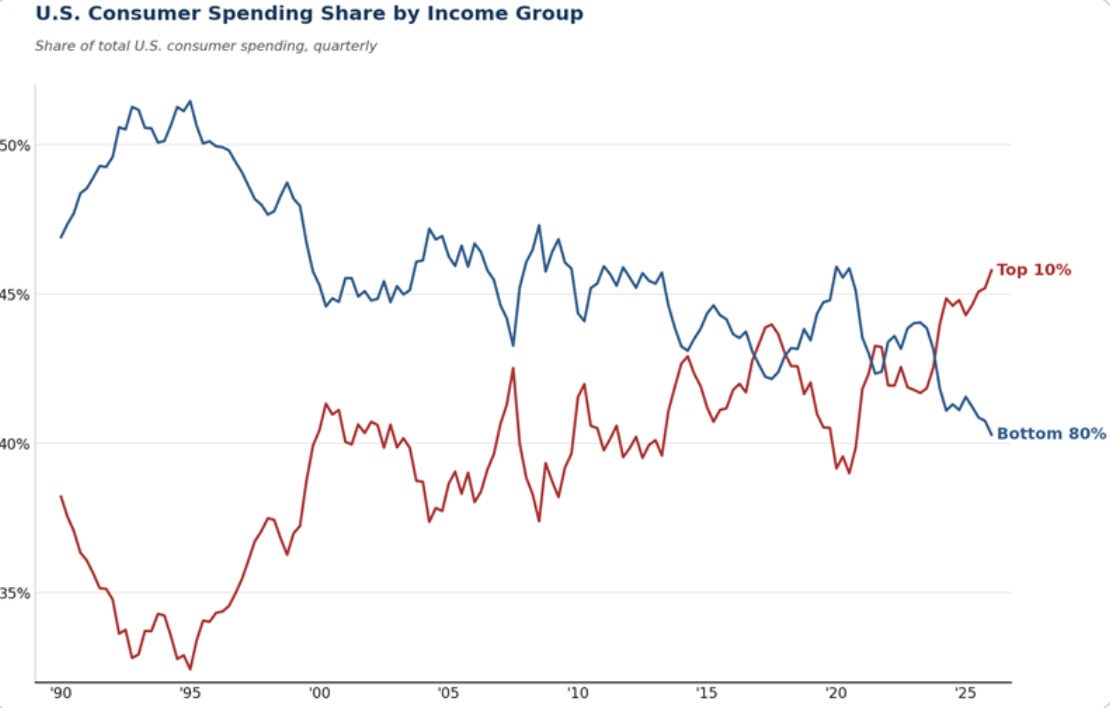
Spending rose just 0.1 percent in April, while incomes flatlined and savings dropped to the lowest level since June 2022.
This is a key reason why the consumer confidence index is as low as it has ever been. Consumer sentiment hit a record low in May, decreasing over the last three months straight. Sentiment is now below the historical low reached in June 2022.
Historic inflation in essential inputs, such as fuel and fertilizer, is particularly impacting Ohio’s farmers. As farming remains Ohio’s largest industry, the financial strain on farms will continue to drive up food prices and impact local economies across the state.
Along with increased food prices, high fuel costs are impacting food banks, here and nationwide. Deliveries to food pantries, which as many as 50 million Americans rely on for emergency food assistance, are becoming more expensive, forcing food banks to weigh difficult tradeoffs, including reducing the amount or quality of food they provide. These cost increases are coming at a time when demand on food banks is rising due to cuts to SNAP.
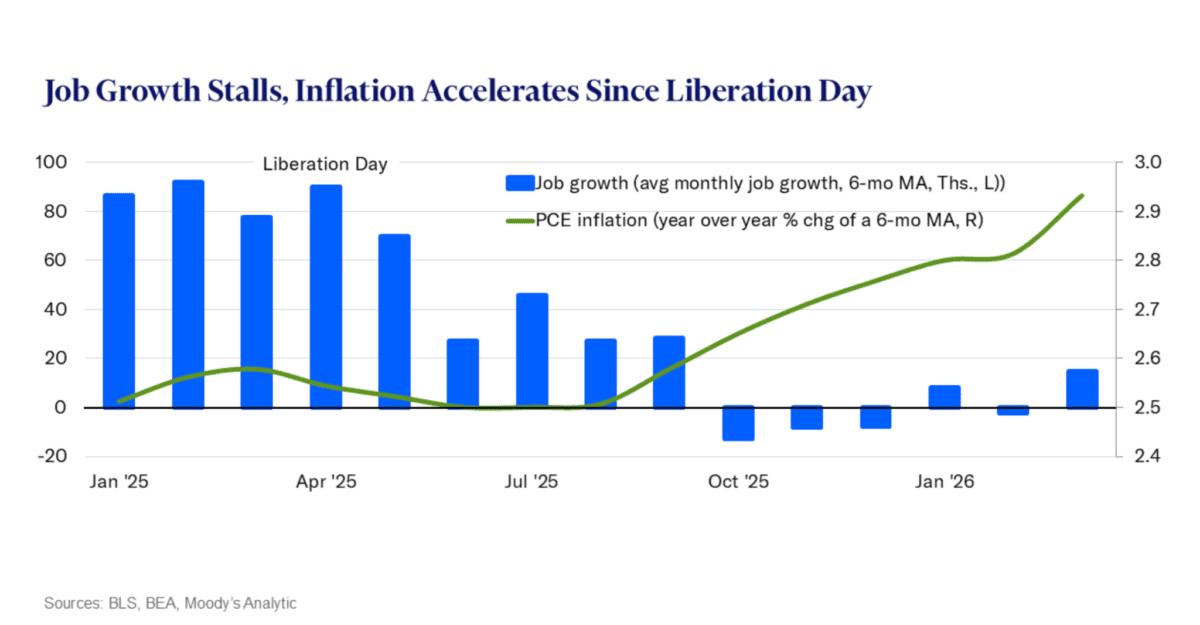
In the aggregate, these pressures are contributing to an increasingly unstable economy. While inflation has continued rising due to America’s tariff policy, job growth has stalled, and the effects of tariffs are still being felt by businesses and consumers.
Meanwhile, the new Federal Reserve Chair was confirmed earlier this month.
The economic situation is expected to get worse before it gets better. Depending on what happens in ongoing discussions between the White House and Iran, gas prices are predicted to hit $5 per gallon in June, and likely won’t fully normalize until 2027, and the inflationary pressures created by this conflict are likely to take two to three years to fully fade.
For nonprofits, this all contributes to a challenging business model: Costs and demands keep going up, while resources continue going down.